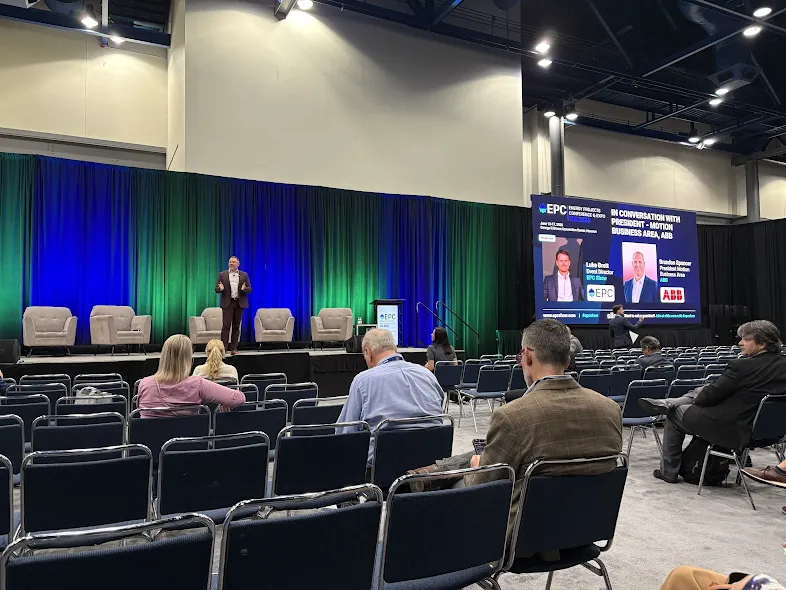
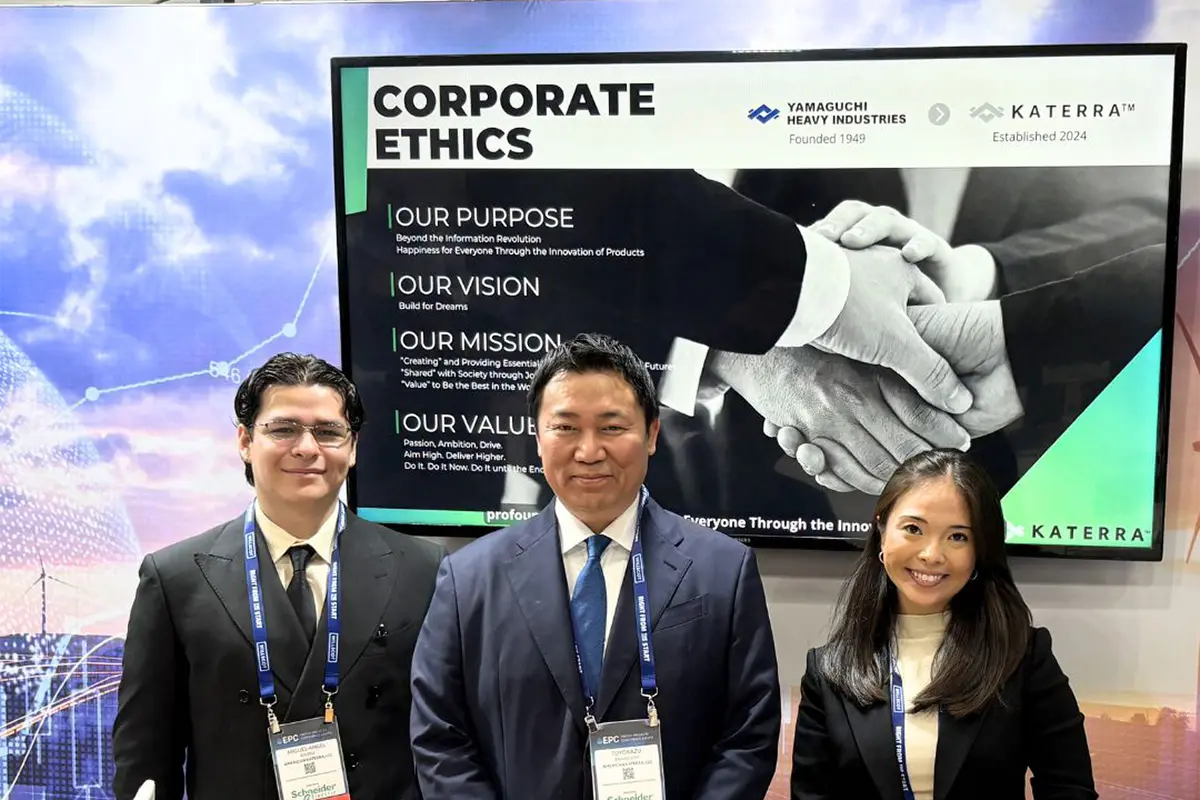
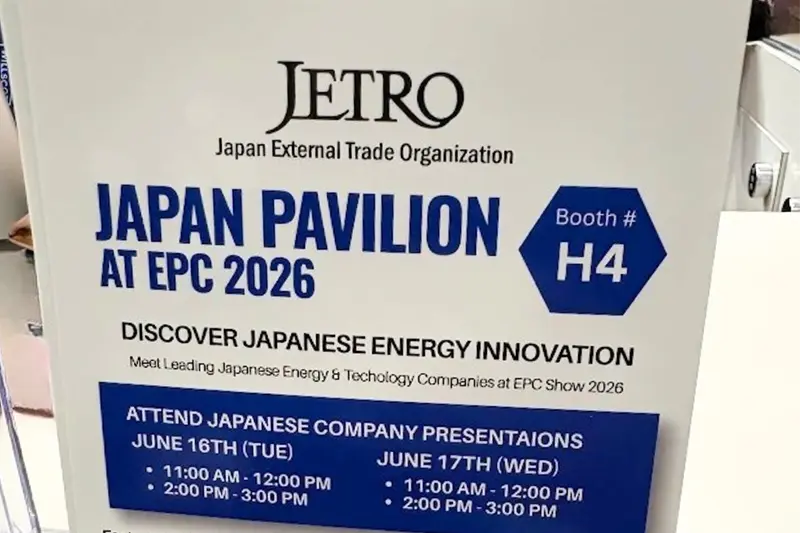
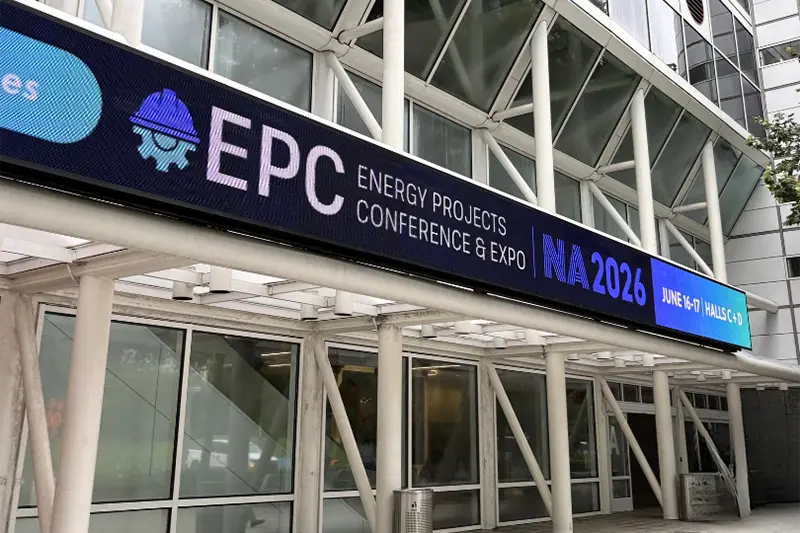
On June 16 and 17, 2026, the Energy Projects Conference and Expo (EPC 2026) brought that entire ecosystem under one roof at the George R. Brown Convention Center in Houston, and American Katerra, the U.S. arm of Yamaguchi Heavy Industries Ltd., was there as part of JETRO’s Japan Pavilion.
The United States is in the middle of the largest energy build-out in a generation. New LNG export terminals, a nuclear revival, and a wave of power and petrochemical projects are reshaping the Gulf Coast, and demand for capable suppliers is running ahead of supply. For Japanese manufacturers with the engineering depth to help, the opportunity is obvious and the entry point is not.
At a glance
- Event: Energy Projects Conference and Expo (EPC 2026)
- Date / venue: June 16 to 17, 2026 · George R. Brown Convention Center, Houston, Texas
- Scale: More than 10,000 attendees, 400+ exhibitors, 200+ speakers, six co-located energy conferences
- American Katerra’s role: Exhibitor within JETRO’s Japan Pavilion, organized by JETRO’s Houston office
What the Energy Projects Conference is
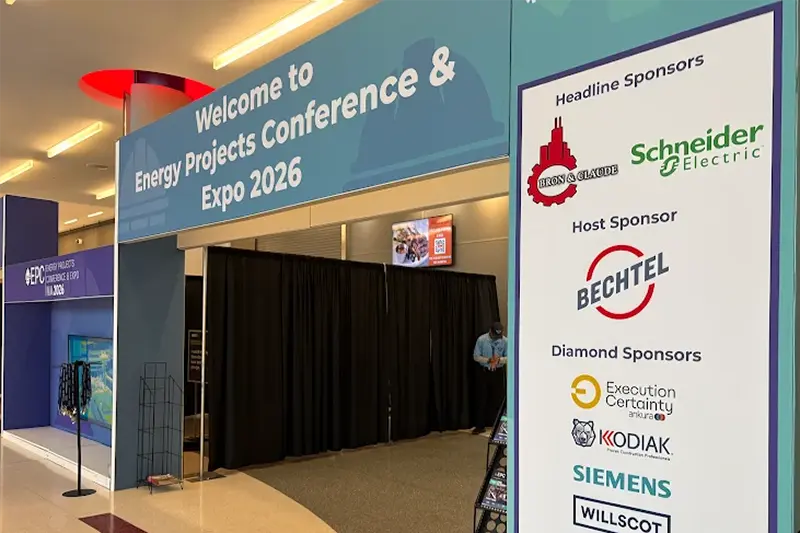
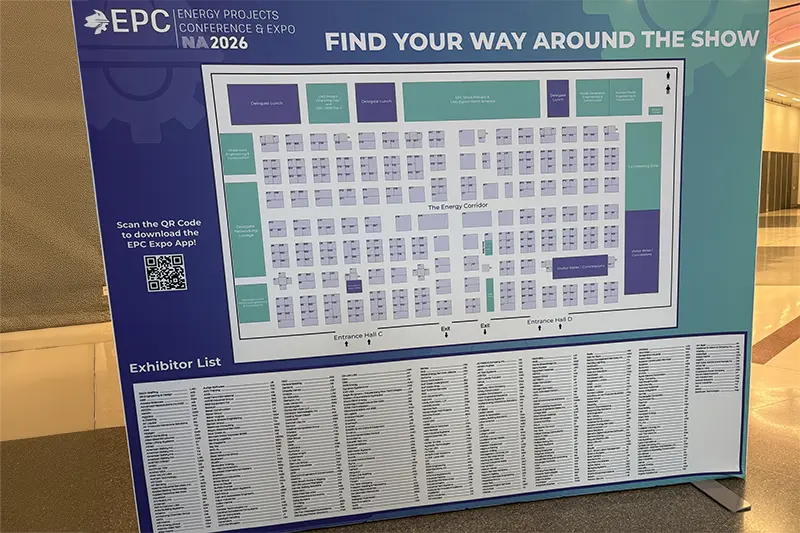
EPC 2026 bills itself as one of North America’s largest gatherings dedicated to energy projects, and the numbers support the claim: more than 10,000 attendees, over 400 exhibitors, and more than 200 speakers across two days. What makes the show unusual is its structure. Rather than one broad agenda, it runs six conferences side by side, covering LNG (engineering and construction, operations and maintenance, and investment and finance), gas power generation, nuclear power, petrochemicals and refining, and midstream. The content is built for the people who actually deliver these projects: the owners and operators who commission them, the engineering, procurement, and construction (EPC) contractors who build them, and the equipment makers who supply them.
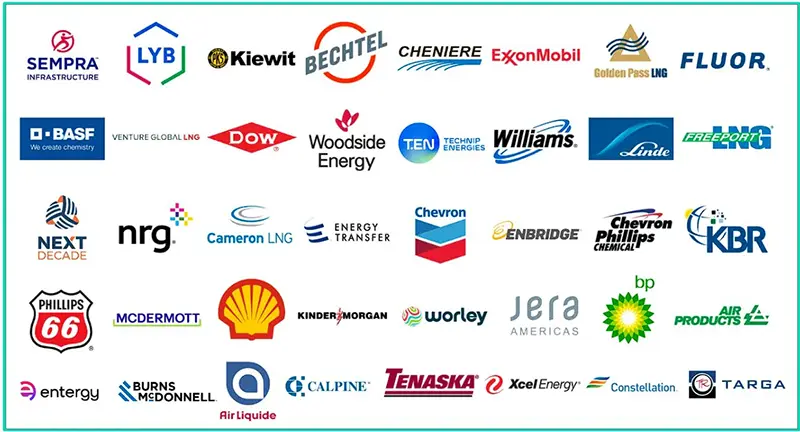
That focus drew a roster of the industry’s biggest names. Tier-one EPC contractors and project owners filled the program, among them Bechtel, ExxonMobil, Chevron, Kiewit, McDermott International, Technip Energies, Fluor, and Westinghouse, alongside major equipment makers such as GE Vernova and Siemens Energy. The recurring themes were just as telling. A surge in electricity demand from AI data centers, the reshoring of American manufacturing, supply-chain resilience, modular and prefabricated construction, and decarbonization across every sector came up again and again. For a fabricator built around low-carbon steel and digital delivery, it was a room full of the right conversations.
Underneath the program sat a clear macro story. Speakers across the plenary framed the United States as entering the largest energy infrastructure investment cycle in a generation, driven by AI data centers, electrification, and the reshoring of industry, with demand for power and for the facilities that produce it climbing faster than the supply chain can comfortably meet. For a Japanese company weighing a U.S. move, that backdrop matters. It means years of large, complex projects ahead, and a real opening for suppliers who can bring both capacity and credibility to the table.
American Katerra at the Japan Pavilion
American Katerra exhibited as one of roughly ten Japanese companies in the Japan Pavilion, a dedicated stand organized by JETRO’s Houston office to help Japanese firms build a foothold in the North American market. Rather than a standalone booth, the pavilion gave each company a shared platform to present its technology and to meet U.S. project owners and EPC contractors directly. Joining a JETRO-led delegation was part of the message: American Katerra is approaching the U.S. energy market not as a curious visitor, but as a committed participant.
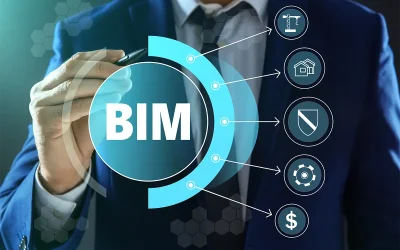
For readers meeting the company for the first time, American Katerra is the U.S. subsidiary of Yamaguchi Heavy Industries Ltd., established in San Antonio in October 2024. It carries its parent’s structural steel heritage into the American market and builds on two ideas the parent had already proven in Japan: decarbonizing the steel supply chain, and using digital tools to do it efficiently. In practice, that means pairing Building Information Modeling (BIM) and Life Cycle Assessment (LCA) with the company’s trademarked product, an approach designed to cut carbon emissions across fabrication and the wider supply chain.
That product, Green & Blue Carbon Steel™, anchors a model that fits the moment the U.S. market is in. The conference returned constantly to two questions: how to reshore manufacturing, and how to strengthen supply chains while lowering their carbon footprint. American Katerra was built to answer both at once. At the pavilion, the team walked a steady stream of visitors through that model, while company leadership spent time across the conference tracks, with particular attention to the nuclear program.
Where American Katerra is looking next
Two days inside an energy show like this one are as much about listening as presenting, and a few themes stood out for where American Katerra is heading.
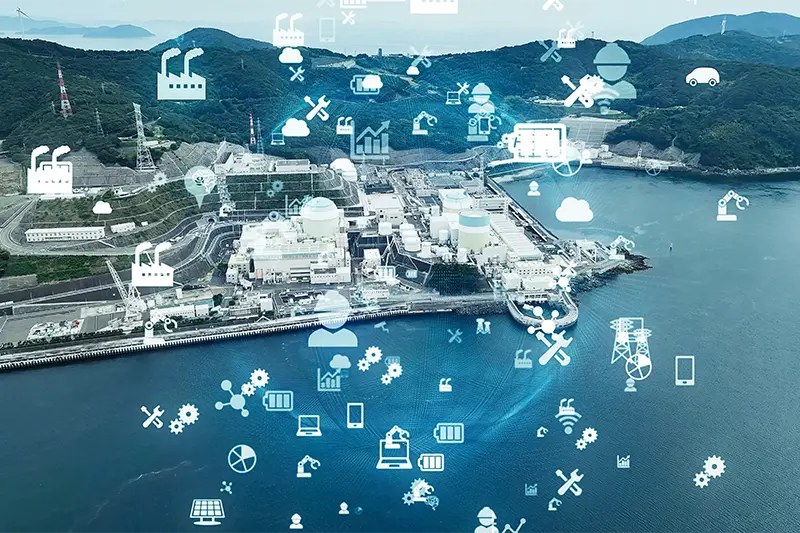
The first is nuclear. The conference devoted an entire track to nuclear power engineering and construction, from large reactors to the small modular reactors (SMRs) now attracting serious investment, and the sessions made clear how much new, steel-intensive construction the sector is preparing for. The second is the broader Gulf Coast build-out in LNG and power, where the scale of announced projects translates directly into demand for fabricated structural steel. The third is decarbonization, the thread running through nearly every track, and the part of the conversation where American Katerra’s low-carbon steel model speaks most directly to what buyers say they now want.
Bechtel, a sponsor of the show and one of the world’s largest EPC contractors, was a strong presence across the LNG and nuclear programs, and is exactly the kind of project leader whose supply chains American Katerra is building to serve.
Why Houston, why energy, why now
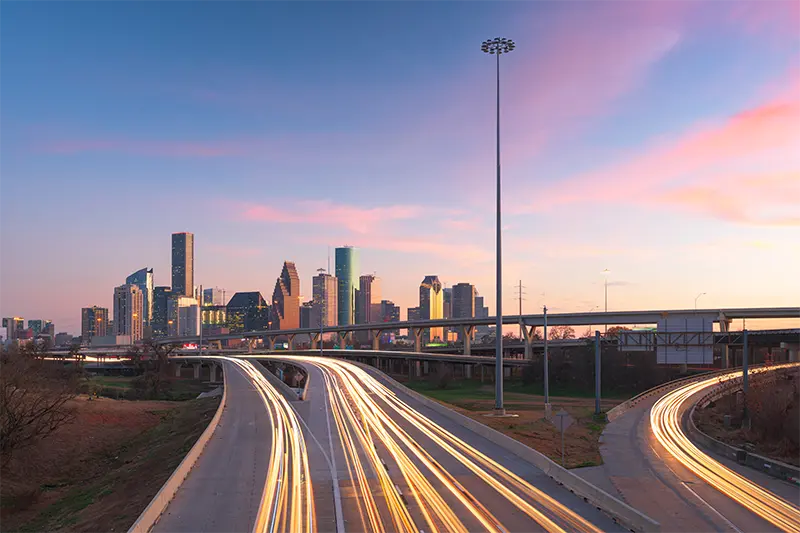
The location was no accident. Houston is the center of gravity for U.S. energy, and Texas pairs that with a fast-growing industrial base, a deep talent pool, and a policy environment that welcomes new investment. The forces driving the agenda, AI data centers straining the grid, the reshoring of manufacturing, and pressure to lower the carbon footprint of heavy industry, all point in the same direction: more large projects, built faster, with suppliers who can prove both quality and sustainability.
That is the gap American Katerra is built to fill. Structural steel sits at the heart of LNG facilities, power plants, and industrial sites, and the company’s combination of Japanese engineering discipline, U.S. on-the-ground execution, and a low-carbon, digitally managed supply chain is aimed squarely at owners who want all three at once. Being in the room at EPC 2026, among the contractors and owners shaping these projects, was a practical step into that market.
Build for Dreams: the road ahead
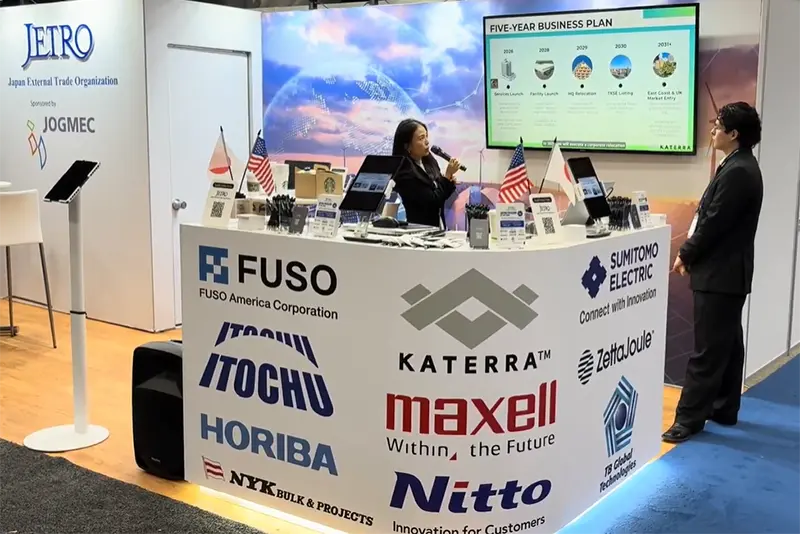
American Katerra frames its growth under a single banner: Build for Dreams. From a standing start in 2024, the company has set out a roadmap toward building sustainable, next-generation infrastructure, with two milestones it returns to often: bringing a smart factory online in 2028, and listing on the Texas Stock Exchange (TXSE) by 2030. EPC 2026 fits that trajectory. It put American Katerra in direct contact with the U.S. energy sector’s decision-makers, sharpened its read on where demand is heading, and reinforced a simple thesis: that the next generation of American infrastructure will be built with steel that is lower in carbon and smarter in delivery.
American Katerra at a glance
- Established: October 2024, San Antonio, Texas
- Parent company: Yamaguchi Heavy Industries Ltd. (Japan)
- Model: BIM + LCA + Green & Blue Carbon Steel™ to decarbonize the steel supply chain
- Vision / roadmap: “Build for Dreams” · smart factory (2028) · TXSE listing (target 2030)
Build for Dreams. If your company is exploring the U.S. energy market, or you need a structural steel partner that can prove both quality and a lower carbon footprint, American Katerra, rooted in Japan and built in Texas, would be glad to compare notes. Reach out to our team to start the conversation, or learn more about how Green & Blue Carbon Steel™ is helping decarbonize the steel supply chain.
EPC 2026 Photo Gallery
EPC-2026-Japan-Pavilion-Sign
EPC-2026-Sign
EPC-2026-Gate
EPC-2026-Registration