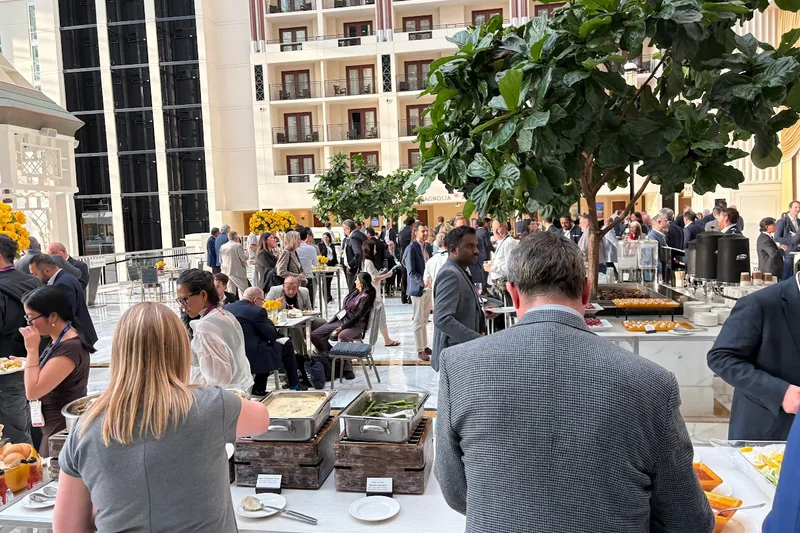
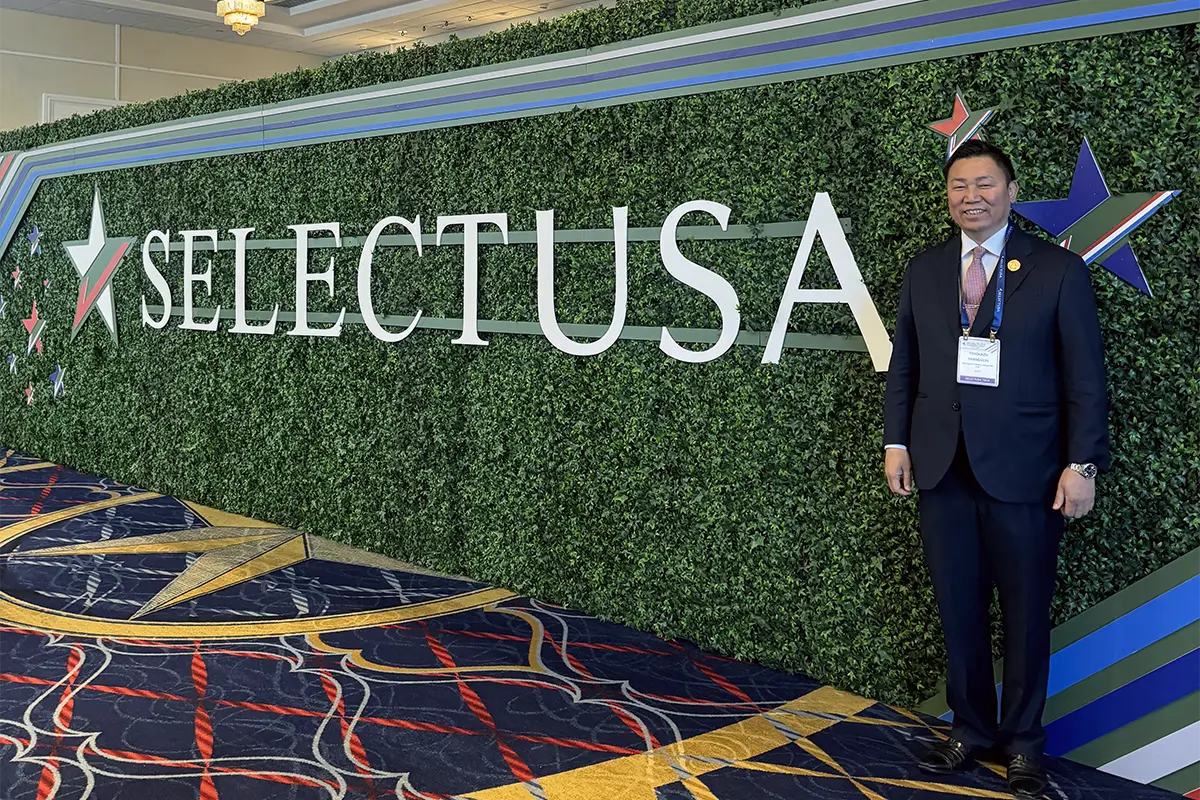
Foreign direct investment between Japan and the United States is more than policy talk in a Washington conference room — it shows up on shop floors, jobsites, and steel yards across the country. From May 3–6, 2026, Toyokazu Yamaguchi, President of American Katerra, LLC, and Milea Amanai, Executive Assistant, joined the SelectUSA Investment Summit at the Gaylord National Resort and Convention Center in National Harbor, Maryland — just outside Washington, D.C. — for the second consecutive year, continuing American Katerra’s engagement with the U.S. government’s flagship platform for inbound investment.
This year’s Summit carried unusual weight. It was hosted by U.S. Secretary of Commerce Howard Lutnick, framed around the administration’s America First Investment Policy, and timed to coincide with the United States’ 250th anniversary year. For a U.S. subsidiary of a Japanese heavy-industry parent, the agenda spoke directly to the work we do every day.
What is SelectUSA Investment Summit 2026?
- Dates: May 3–6, 2026
- Venue: Gaylord National Resort & Convention Center, National Harbor, Maryland (Washington, D.C. area)
- Host: U.S. Department of Commerce — Secretary Howard Lutnick delivered the opening keynote
- Scale (2025 benchmark): 5,500+ participants, 100+ countries, 1,100+ economic developers from 54 U.S. states and territories
- 2025 outcome: Approximately $1 billion in new investment commitments announced during the four-day program
- Cumulative impact: $135B+ in new investment projects and 105,000+ U.S. jobs supported across all Summits to date
- 2026 theme: Foreign investment as a driver of America’s next chapter — manufacturing renaissance and critical-sector investment
Why the 2026 Summit Mattered?
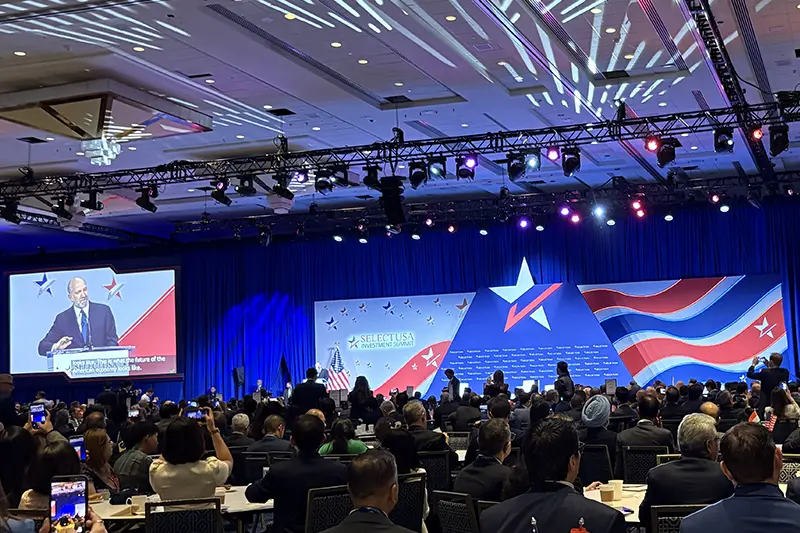
The SelectUSA Investment Summit is the highest-profile event in the United States dedicated to facilitating foreign direct investment. Hosted by the U.S. Department of Commerce through its International Trade Administration, the four-day program brings together international companies, U.S. economic development organizations (EDOs), service providers, and federal officials around one purpose: turning cross-border investment interest into actual deals.
The 2026 edition was distinct in three ways.
1. It anchored the 250th-anniversary message in industrial investment
The Summit was positioned as a centerpiece of the United States’ semiquincentennial year — the country’s 250th anniversary — with foreign investment cast as a continuation of America’s tradition of innovation, enterprise, and openness to capital from abroad. For Japanese industrial firms with multi-decade U.S. operations, that framing matters: it places ongoing investment from Japan within the long arc of U.S. economic history rather than within any single news cycle.
2. The opening keynote redefined the investment thesis
Secretary Lutnick opened the Summit with a clear message to the assembled global investors: the calculus for choosing where to manufacture has shifted. The question is no longer where labor is cheapest, but where the consumer market is largest and where capital is most abundant. The Secretary directed companies seeking access to the U.S. market to physically locate production within the United States rather than export into it.
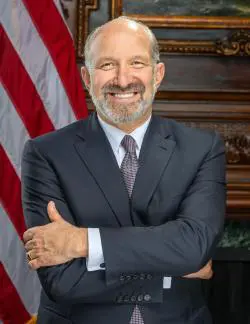
“If you want to successfully sell in the United States, build here.”
— U.S. Secretary of Commerce Howard Lutnick, opening remarks, 2026 SelectUSA Investment Summit
(Image Source: The Department of Commerce)
That message lands differently for different audiences. For a Japanese parent company evaluating whether to expand U.S. operations, it is a strong policy signal. For a U.S. subsidiary already operating on the ground — like American Katerra — it confirms that the structural investment we and our parent company have already committed to aligns with where U.S. policy is heading.
3. “Made in America 2.0” moved manufacturing to center stage
A dedicated main-stage panel, Made in America 2.0: The Manufacturing Renaissance, brought executives from leading global manufacturers to discuss how foreign-invested production is reshaping U.S. industrial capacity. A separate plenary, Future Ready: Trends Reshaping Business and Society, featured leaders from companies including LEGO Systems, Hindalco Industries, and ABB. The combined programming made it explicit: this Summit was about physical investment in U.S. manufacturing capacity, not abstract FDI flows.
For a structural steel fabricator, that is the conversation. Every semiconductor fab, every clean-energy facility, every reshored manufacturing plant ultimately requires structural steel — fabricated, delivered, and erected. The signals from the Summit’s main stage map directly to demand patterns we see in our pipeline.
U.S.–Japan Industrial Investment: The Long View

Japan has been a top-tier source of FDI into the United States for decades. The relationship is built less on episodic deals and more on long-tenure industrial investment: automotive plants, parts suppliers, machinery, heavy industry. The SelectUSA Summit serves as one of the most direct channels for Japanese industrial firms to evaluate U.S. expansion, meet state-level EDOs, and align with federal investment priorities — all within a single venue across four days.
For Japanese parent companies considering a first U.S. subsidiary, the Summit shortens what is otherwise a multi-year discovery process. An investor can meet with a dozen state EDOs in two days, sit in on technical sessions about incentive stacking and workforce development, and leave with concrete next steps. For companies that have already established a U.S. footprint, the Summit serves a different function: it reinforces relationships with the federal apparatus that supports continued investment, and surfaces emerging programs — new federal incentives, new state initiatives, new industry partnerships — that warrant attention.
At the 2026 Summit, several U.S. governors used the venue to announce concrete partnerships with foreign-investor markets, including formal trade-desk arrangements and bilateral economic missions. State-level activity of that kind matters to industrial subcontractors: it signals where new construction projects, new manufacturing sites, and new procurement opportunities will appear in the next 12 to 24 months.
A Returning Presence: American Katerra at SelectUSA
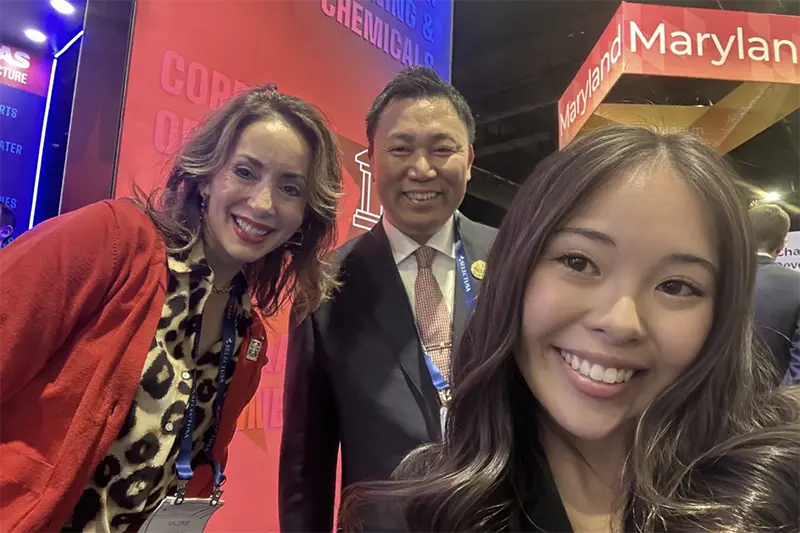
American Katerra, LLC is the U.S. arm of Yamaguchi Heavy Industries LTD., and exemplifies the kind of long-term U.S.–Japan industrial relationship that SelectUSA was built to advance. Mr. Yamaguchi’s 2026 attendance marks his second consecutive year at the Summit, following his presence at the 2025 program.
For American Katerra, ongoing participation in SelectUSA is intentional. The Summit is one of the few venues where federal officials, state EDOs, and the Japanese investor community converge in one place at one time. That density of relevant counterparts — from FDI desk officers at state EDOs to officials at the Department of Commerce — lets a U.S. subsidiary surface relationships that would otherwise take quarters of separate trips and meetings to build. It is also a venue where Japanese parent-company headquarters teams, when they travel, can meet U.S. counterparts on neutral ground.
Year-over-year attendance also matters in a quieter way. SelectUSA participation builds visibility into how U.S. investment policy is actually evolving — what is emphasized in plenary remarks, which states are aggressively recruiting, where federal incentive programs are tightening or loosening. For a structural steel fabrication company operating across U.S. industrial sectors, those signals help inform decisions about capacity, geography, and partnership a year or more before they show up in project RFPs.
What This Engagement Means for Our Partners and Clients

Our presence at SelectUSA is not a marketing exercise. It is operational due diligence applied to U.S. industrial conditions, and it carries through to how we serve general contractors, construction managers, and project owners across the country. Three things flow back from a Summit like this into the day-to-day of structural steel fabrication work.
Continuity of the U.S.–Japan supply chain
American Katerra’s value proposition — Japanese-engineered structural steel fabrication, executed in the United States — depends on a stable bilateral environment for capital, talent, and equipment. The 2026 Summit’s emphasis on building U.S. production capacity, paired with policy signals on workforce-related visa mechanisms for foreign-invested companies, is exactly the kind of environment in which a Japan-rooted U.S. fabricator can plan multi-year capacity decisions with confidence.
Forward visibility into adjacent industrial demand
The Summit’s agenda increasingly reflects the U.S. push in semiconductor manufacturing, defense industrial base expansion, clean-energy infrastructure, and reshored manufacturing capacity — all of which generate sustained structural steel demand. Hearing where capital is flowing, directly from EDOs, federal officials, and global manufacturers on the main stage, helps American Katerra anticipate where structural steel fabrication will be needed before RFPs hit our inbox.
Stronger relationships with state-level partners
Many state EDOs at SelectUSA have direct ties to construction and manufacturing site development. For a U.S. fabricator, those are the same EDOs whose incentive packages shape which projects break ground, where, and on what timeline. Engagement at the Summit translates into smoother coordination later, when projects materialize and the steel fabrication scope hits the schedule.
A Note for Japanese Companies Considering U.S. Expansion
Mr. Yamaguchi has now attended the Summit twice and has a pragmatic view of what it offers Japanese investors. Three observations are worth sharing with parent-company executives or U.S. expansion teams in Japan who may be evaluating SelectUSA for the first time:
Use the EDO meetings, not just the plenaries. The plenary sessions are useful for context, but the highest-leverage time at the Summit is in the structured EDO meetings. Come prepared with a one-page summary of investment scale, sector, and timeline; the EDOs that respond best are the ones whose incentive structures actually fit your case.
Bring the right counterparts. A site-selection conversation with a state EDO is more productive when both a strategic decision-maker and a local U.S. operations lead are at the table. For Japanese parent companies, that often means the Summit is best attended jointly by HQ and U.S.-subsidiary leadership.
Treat year-over-year attendance as a relationship asset. The federal officials, EDOs, and service providers most worth working with show up consistently. Being present in consecutive years is itself a credibility signal in this community.
Request Our Capability Statement

Looking for a structural steel partner with deep Japanese manufacturing roots and U.S. delivery capability — or evaluating a U.S. industrial expansion that will require fabrication support? Request our Capability Statement for an overview of our fabrication capabilities, project experience, and quality processes.
Photo Gallery - Day 1
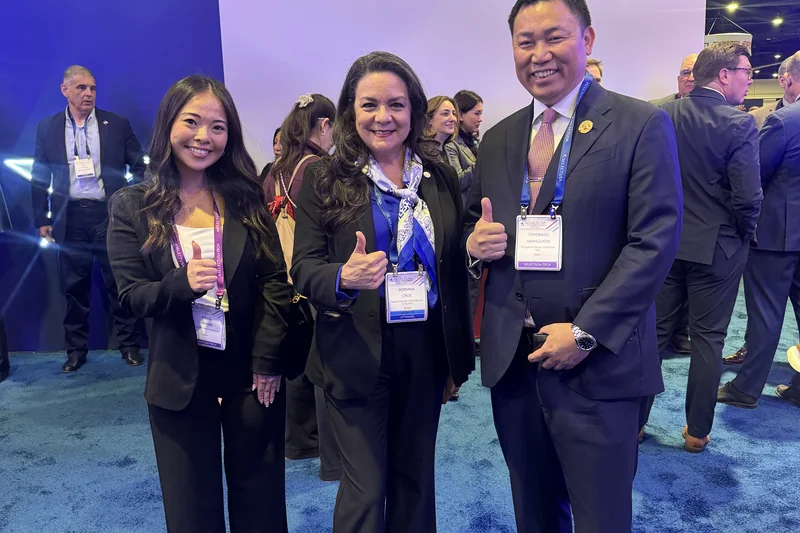
Picture with Ms. Adriana Cruz

Picture with Ms. Adriana Cruz at the Texas Booth

Milea Amanai in front of the SelectUSA sign

Picture with Valerie G. Segovia at the Texas Booth
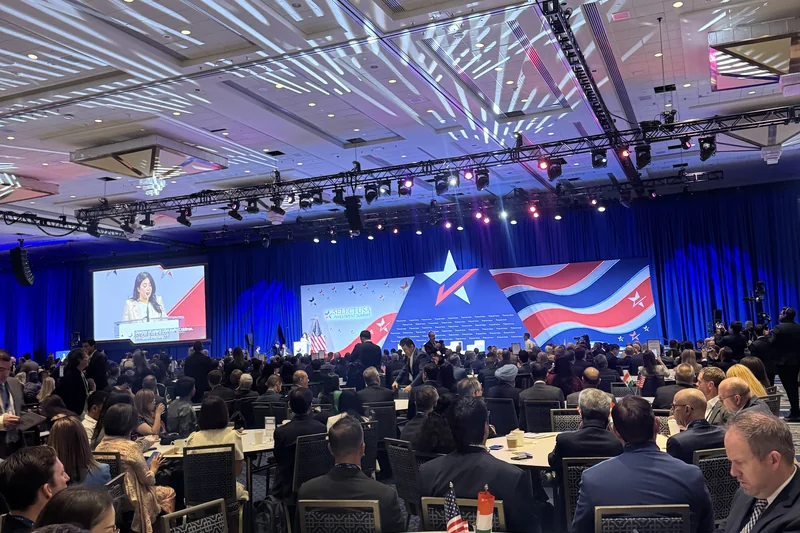
Welcome Address Opening ceremony
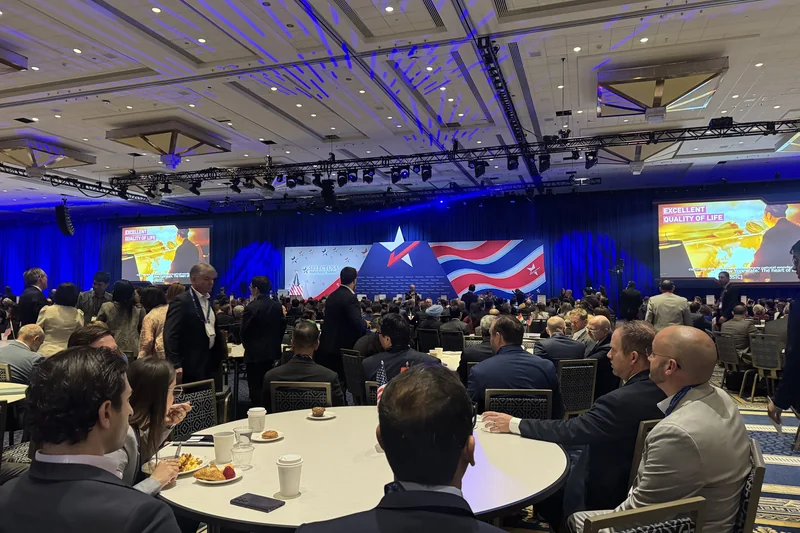
Welcome Address Opening ceremony
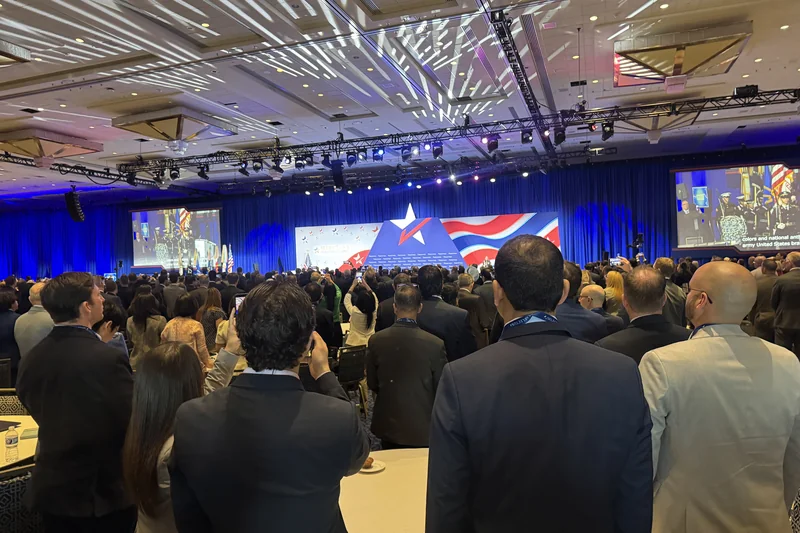
Welcome Address Opening ceremony
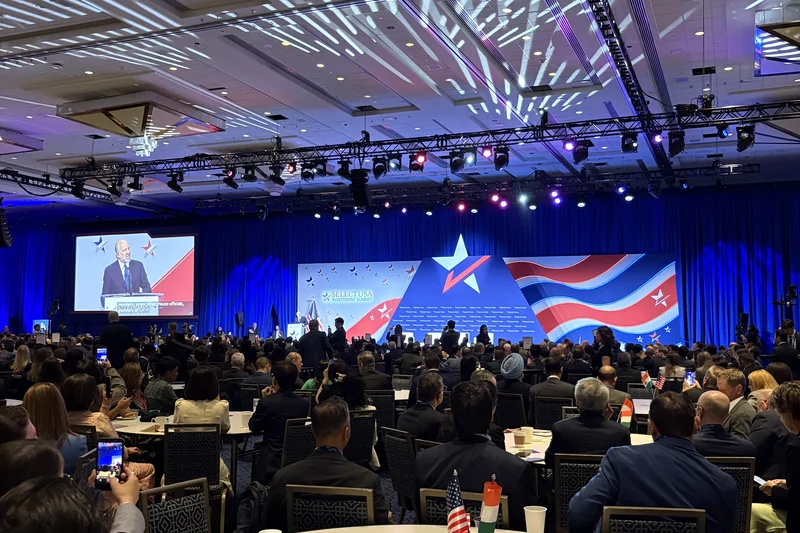
Welcome Address Opening Ceremony
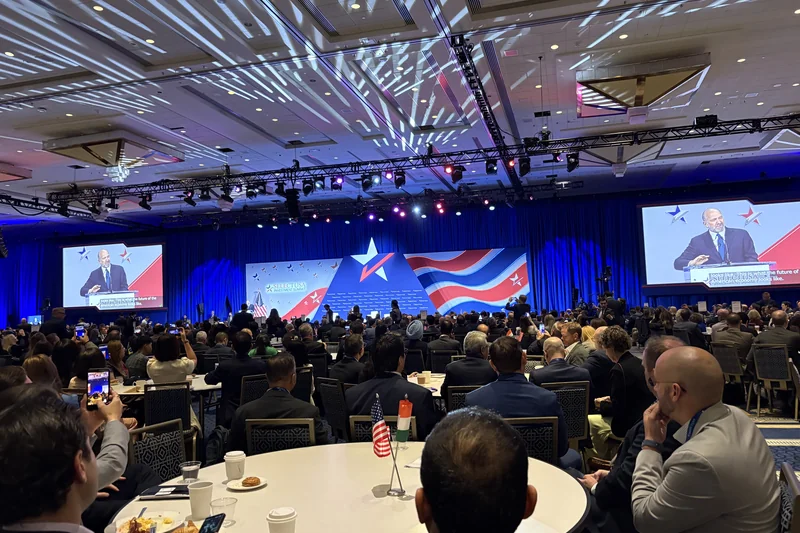
Welcome Address Opening Ceremony
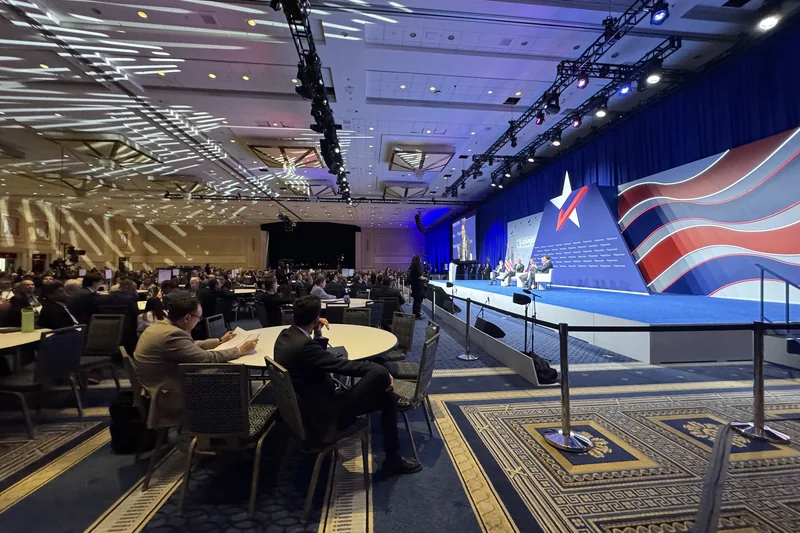
Governor’s Panel Talk
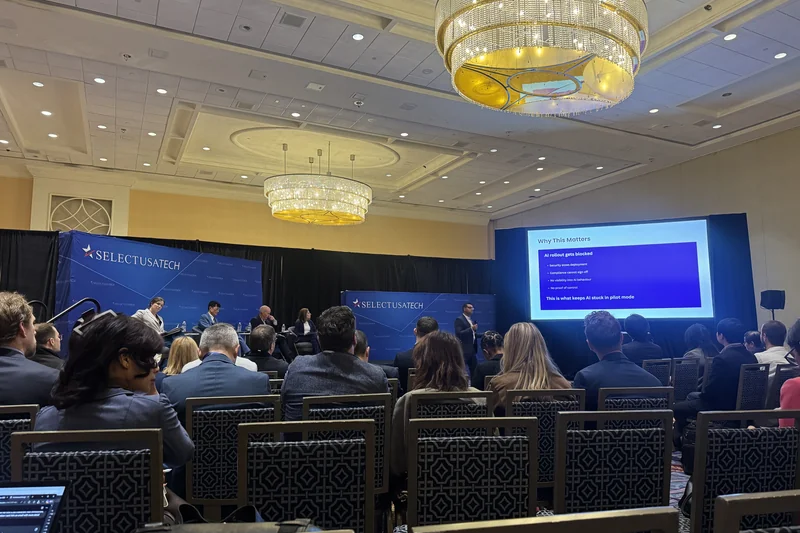
World Finals Pitching Session

List of SelectUSA Sponsors
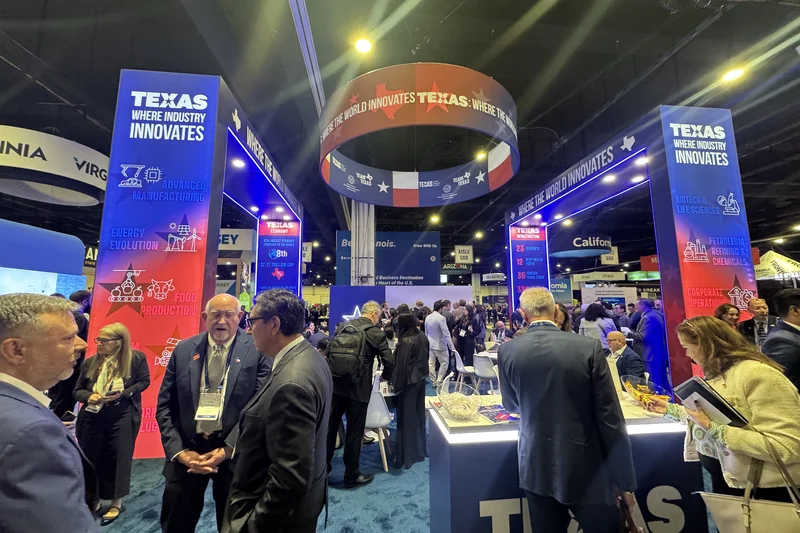
Texas Booth
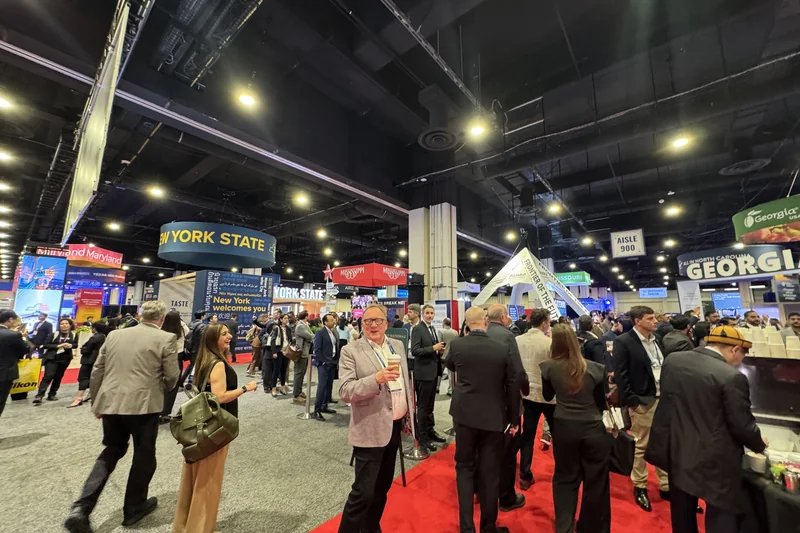
Exhibition Hall

SelectUSA 2026 Agenda
Photo Gallery - Day 2
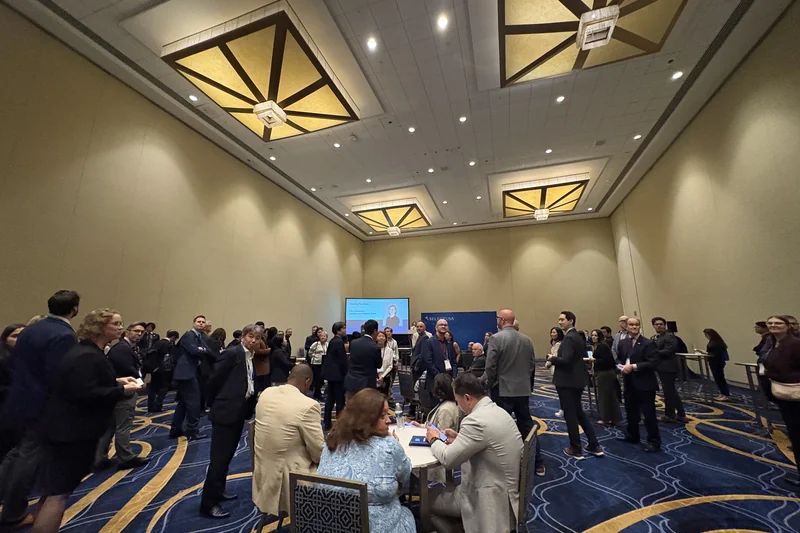
JETRO Event
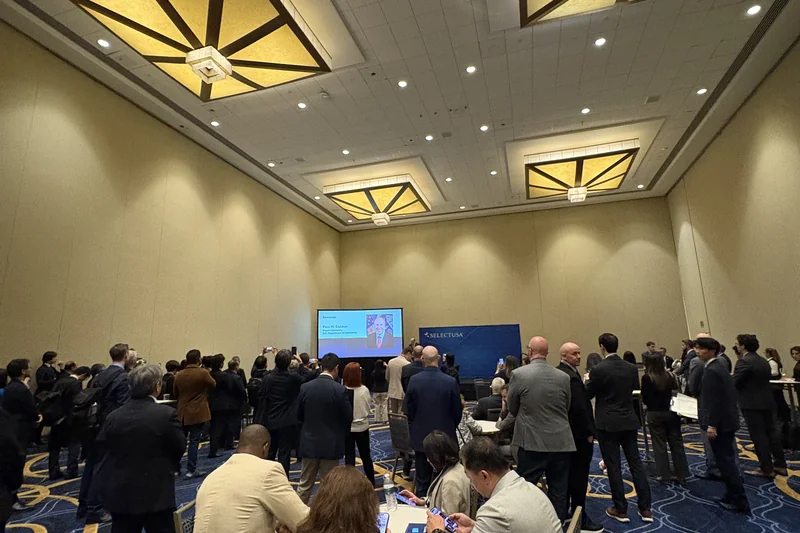
JETRO Event
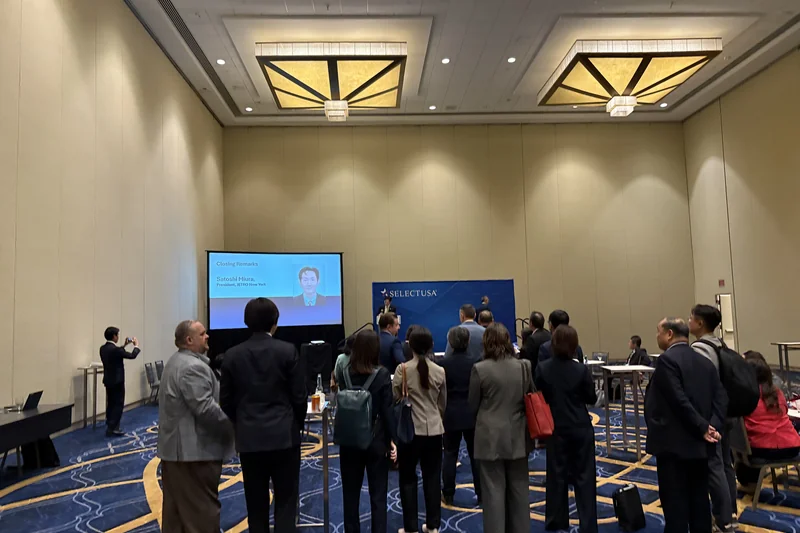
JETRO Event
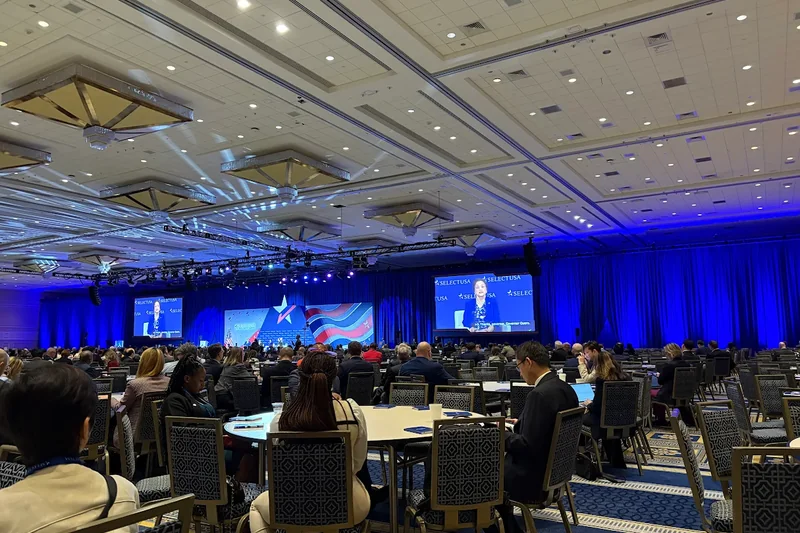
Panel Talk
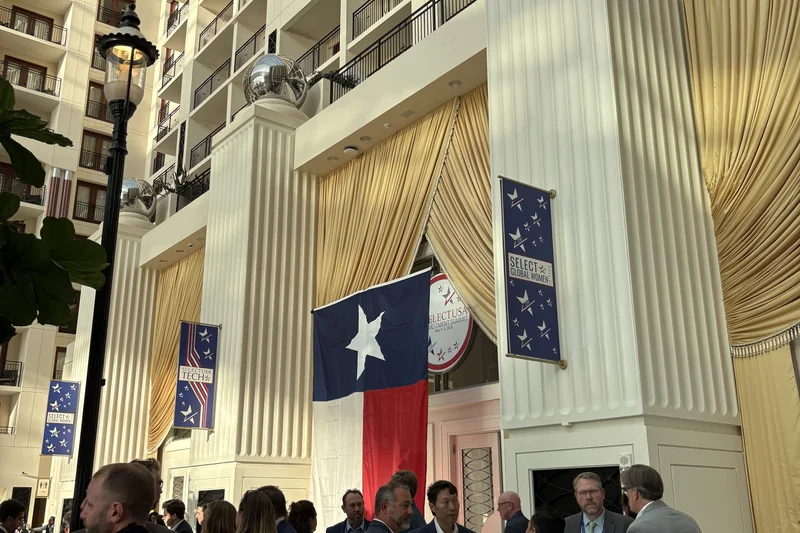
Texas Reception
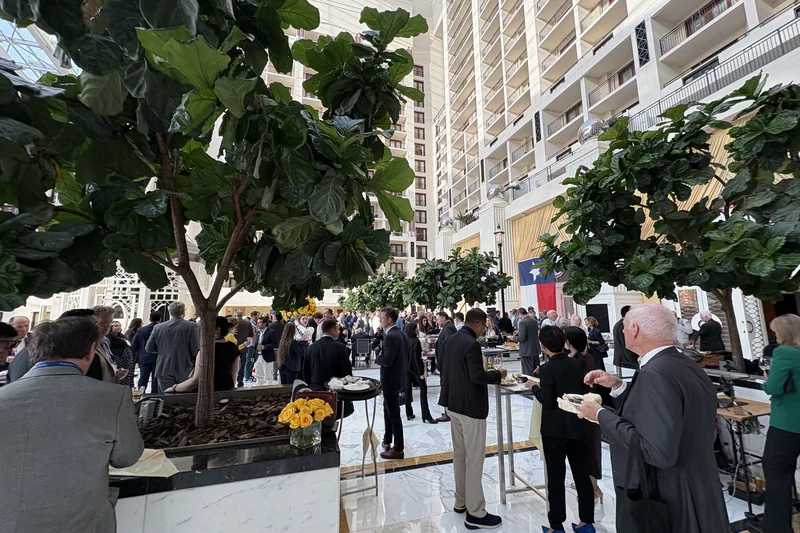
Texas Reception